
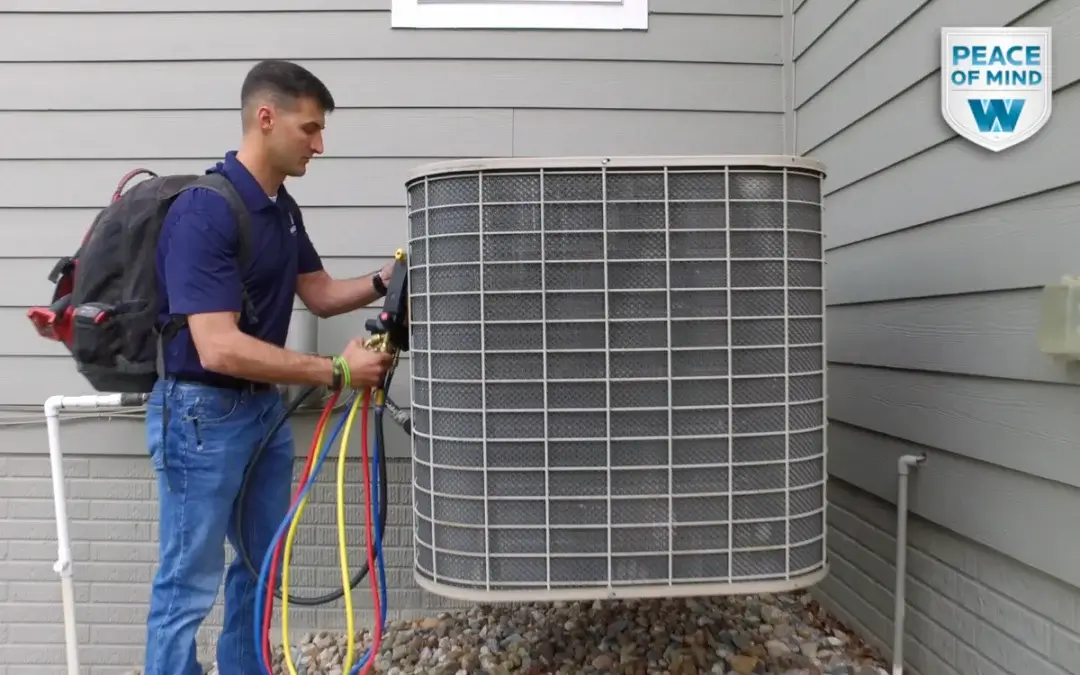
As a homeowner, you deserve to know how your HVAC system works and what to expect when an HVAC repair is needed. Whether you have older equipment or you’ve just installed a brand-new system or HVAC component, it’s important to know how to keep your home comfortable and energy-efficient. We’ve put together a guide for your reference, so you can stay informed about HVAC repair.
What Is an HVAC System?
HVAC stands for “heating, ventilation, and air conditioning” and refers to the entire system within your home that mitigates and controls your indoor temperatures. At Wyckoff, we also like to refer to HVACs as your “heating and cooling equipment.” This system is what keeps you cool in the summer months and warm in the winter, pushing air throughout your home at temperatures you control through your thermostat. The ventilation part of an HVAC system is one of the most important, circulating your air thoroughly so that it stays fresh and breathable.
Understanding a Home HVAC System
Your home’s HVAC system is made up of different equipment, like your air conditioner or heat pump, furnace, thermostat, ductwork, and more. When you use your thermostat to increase the temperature of your home, your furnace will push hot air through your ducts. On the other hand, when you cool your home, your air conditioner (or heat pump) will pull heat and humidity from your home and push it out into the air.
4 Common Types of HVAC Systems
There are many different types of HVAC systems. The most common you will see in the central Iowa and Midwest areas is a central air system. This is ductwork that has been built and installed within your home, delivering air to each room. If you have an older home, chances are you may not have a central air system. If not, then there are ductless mini-split systems that allow you to control temperatures in different rooms.
Heat pumps can also be added to an HVAC system, allowing for better control year-round in climates that have milder temperature changes from season to season. Pairing it with a furnace creates a hybrid system. And for the more eco-friendly homeowner, a geothermal heat pump might be your go-to. This system requires more technical installation, but minimal maintenance.
How To Avoid an HVAC Repair
The best way to avoid a costly HVAC repair is to ensure you are receiving routine maintenance. However, it’s also not uncommon for equipment to simply stop working, even if it has been recently checked by a technician. After all, they’re complex machines just like computers or other home appliances.
The Importance of Preventive HVAC Maintenance
Setting a schedule for routine maintenance can help you prevent a variety of potential issues that may require a full HVAC repair. That way, a technician can identify problems before they occur or tune up parts of your HVAC system that could become issues if not routinely cleaned or inspected. With preventive maintenance, you receive peace of mind and early detection of anything that may be wrong with your HVAC system.
At Wyckoff, we recommend at least two yearly checkups for your HVAC system. By catching issues before they become bigger, it can have potential cost savings and keep you from dealing with a larger problem down the road.
How HVAC Maintenance Helps Prevent Repair
HVAC maintenance includes a variety of aspects, such as;
- Cleaning ductwork.
- Inspecting electrical connections.
- Checking carbon monoxide levels.
- Changing filters.
- Inspecting important machine components.
Maintenance from a certified, expert HVAC technician can not only help you find issues before they become a threat, but also keep your system in the best condition possible throughout its lifespan.
How Much Do HVAC Repairs Cost?
HVAC repairs can vary between $100 – $2,500+, depending on the issue. Smaller parts that may need to be repaired won’t cost nearly as much as larger components, such as a compressor or heat exchanger. Depending on the HVAC company you work with, these repairs may or may not include additional service fees or labor costs. It’s important that the HVAC company you choose to work with is transparent about the costs and services they are offering.
What Is the $5,000 HVAC Rule?
If your HVAC system repair exceeds $5,000 (when multiplied by the age of your equipment), you’re better off getting a full replacement. For example, if the cost of the repair is $1,500 and your system is 4 years old, it’s better to bite the bullet and replace the system. Even if your HVAC still has years left on its lifespan, it’s more cost-effective to do a full replacement for new HVAC equipment than to empty your wallet on a system that requires a costly repair and has little lifespan left.
How Do I Receive Emergency HVAC Repair Service?
If you feel as though your HVAC requires emergency repairs, don’t worry. Many HVAC companies offer emergency repair services or 24/7 hotlines for homeowners whose HVAC systems aren’t working properly. These services are designed to make it easy to receive the support and care you need in a timely manner, so you don’t spend days without warm or cool air.
Get in Touch With Your Local HVAC Repair Experts
HVAC repairs are no joke. They can be costly and cause you unnecessary stress. Avoid it all with routine maintenance and expert support from a local HVAC repair expert like Wyckoff. At Wyckoff, we’ve served the Des Moines and central Iowa area for decades. Our family-run small business has boomed to become a notable name within the community, with exceptional customer service to show for it. The next time you need an HVAC repair, call or contact Wyckoff to get started.